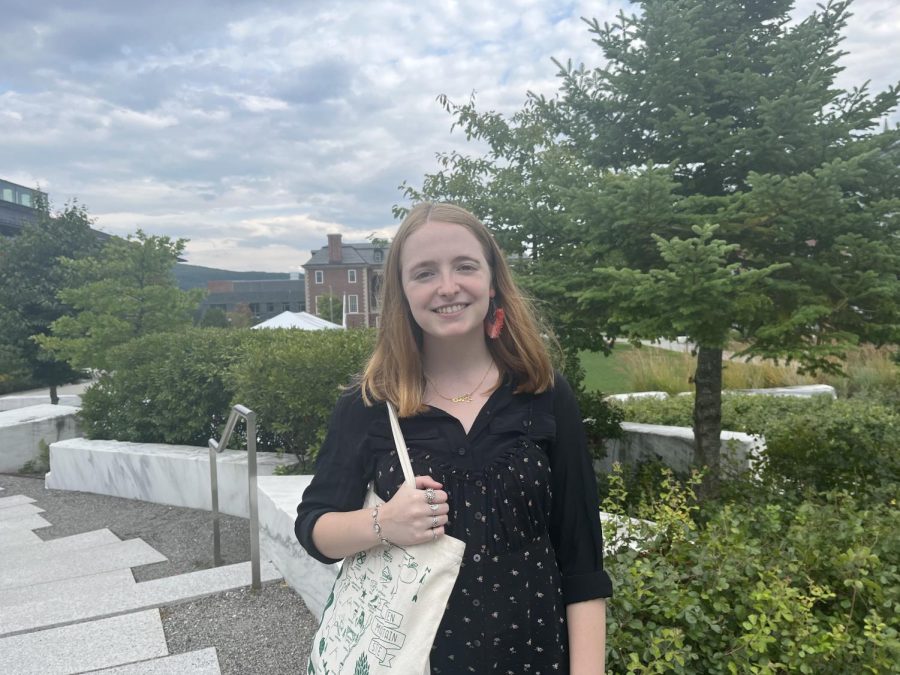
Megan Lin ’24 is an art history and history major from Hartland, Wis. She is a managing editor and previously served as the executive editor for opinions, executive editor for investigations, and section editor for news.
Each week, the Record (using a script in R) randomly selects a student at the College for our One in Two Thousand feature, excluding current Record board members. This week, Aidan Slovinski ’26 discussed the contemporary art market in Japan, inflation, “WUF time,” and study spots.
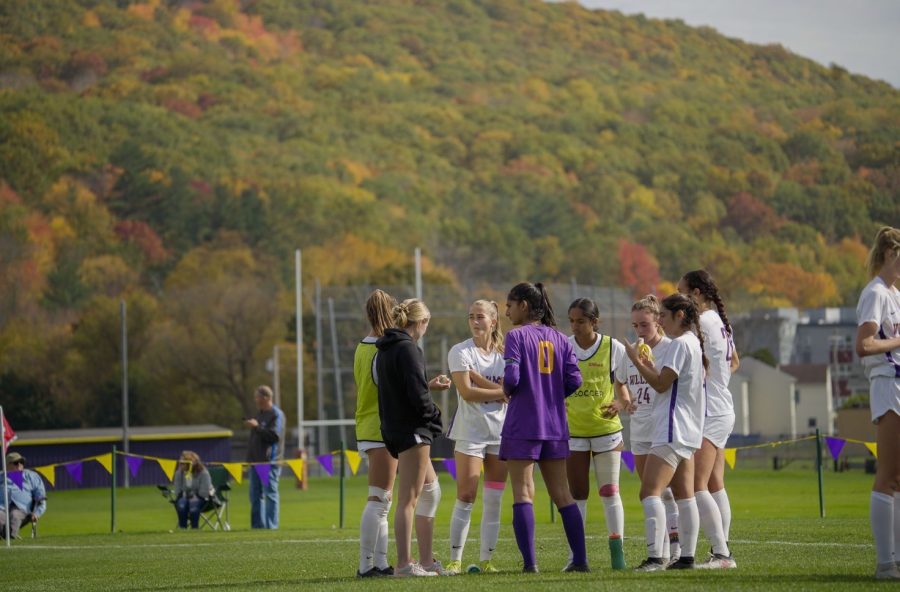
Williams College Soccer Club — a club soccer team for female, trans, and non-binary identifying students — now has a place at the College for the first time since the 1970s.
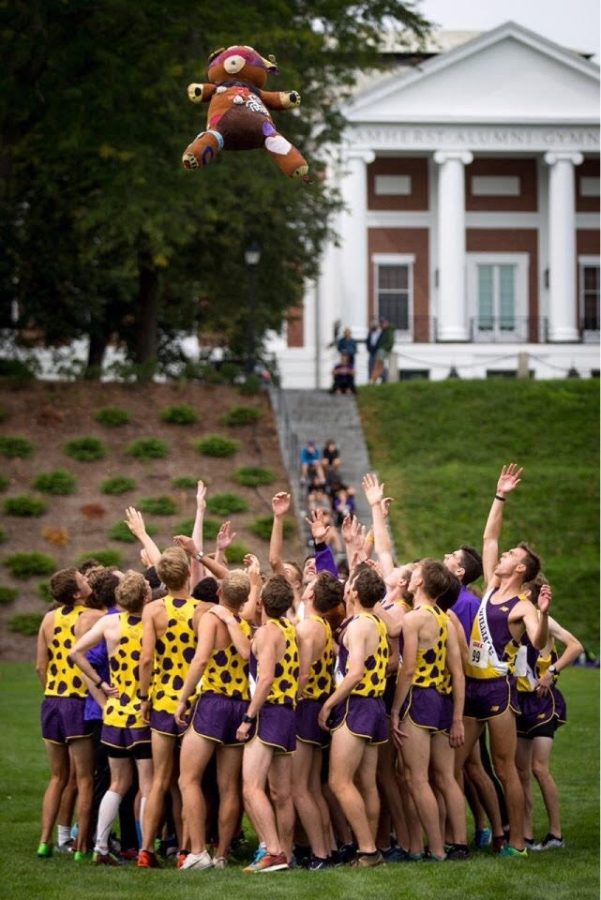
Reed Putnam ’23 is an art history and practice major from Chappaqua, N.Y. He is a member of Treestyle Improv Comedy and the cross country and track and field teams.
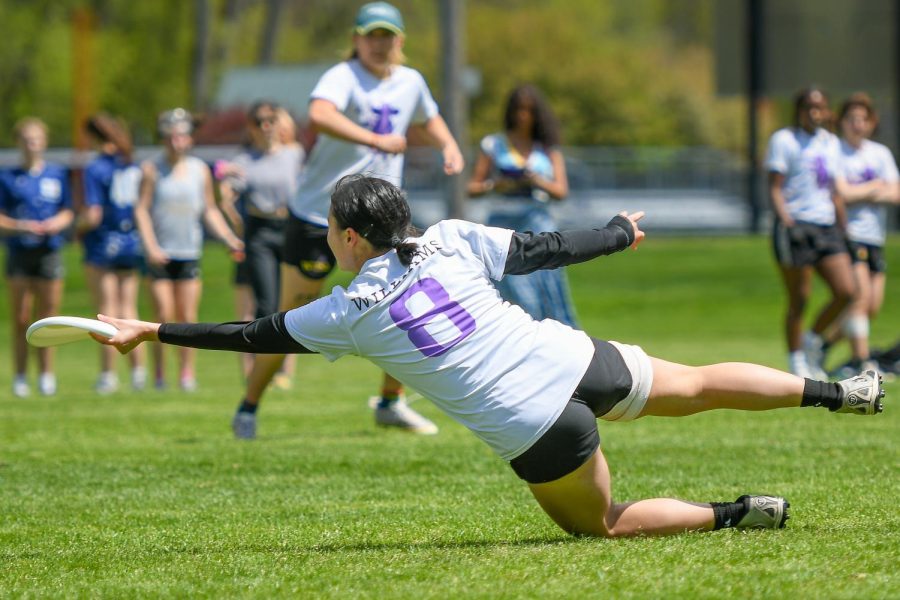
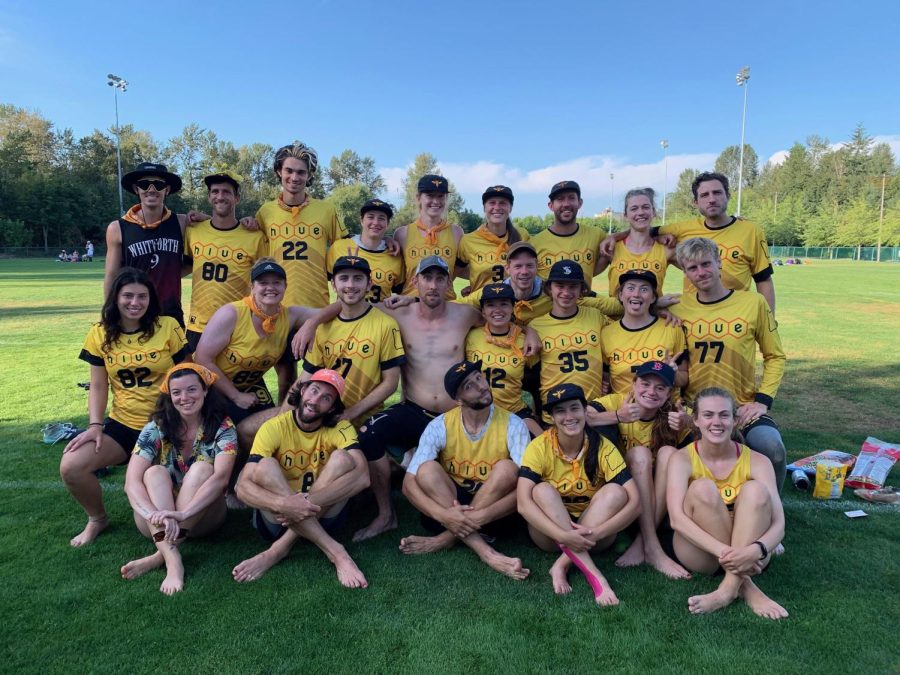
For the first time in 28 years, Nova and WUFO — the College’s frisbee teams for trans, nonbinary, and female players and trans, nonbinary, and male players, respectively — will both compete on the national stage at USA Ultimate’s Division III College Championships.
The Classics department brought sheep to campus for Parilia, an ancient Roman festival, in collaboration with the Center for Environmental Studies, Zilkha Center, and Brattle Farm.
Eight members of the men’s track and field team have qualified for the 2023 NCAA Div. III Men’s Indoor Track and Field Championship, to be held March 10–11 in Birmingham, Ala.
The Theme/Affinity/Program/Special Interest (TAP- SI) Review Committee reviewed its original housing decisions for TAPSI houses and changed the locations of four houses. Though the committee has not yet finalized the placements officially, it has notified the Community Coordinators (CCs) about the rearrangement of the houses.
On Jan. 18, Yale University revealed updates to its policies regarding leaves of absence and withdrawals, following a year-long review of its mental health policies by the Yale College Dean’s Office.
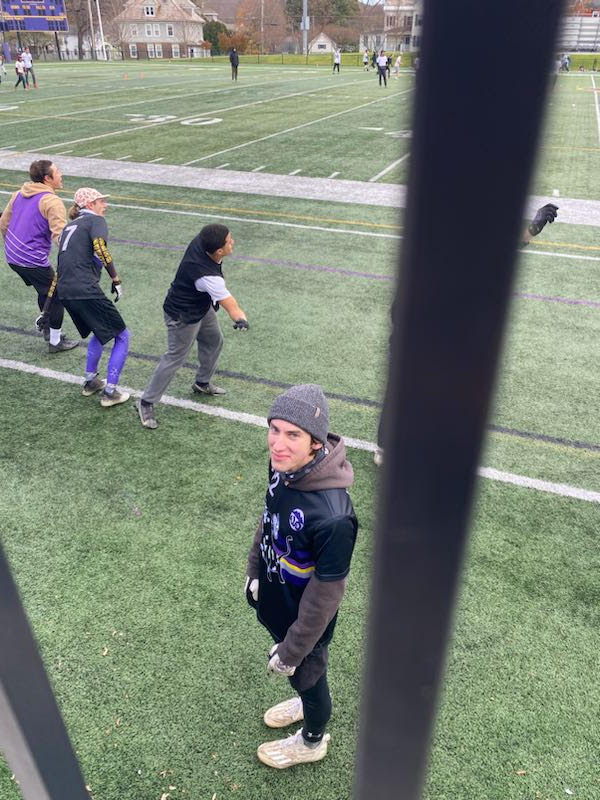
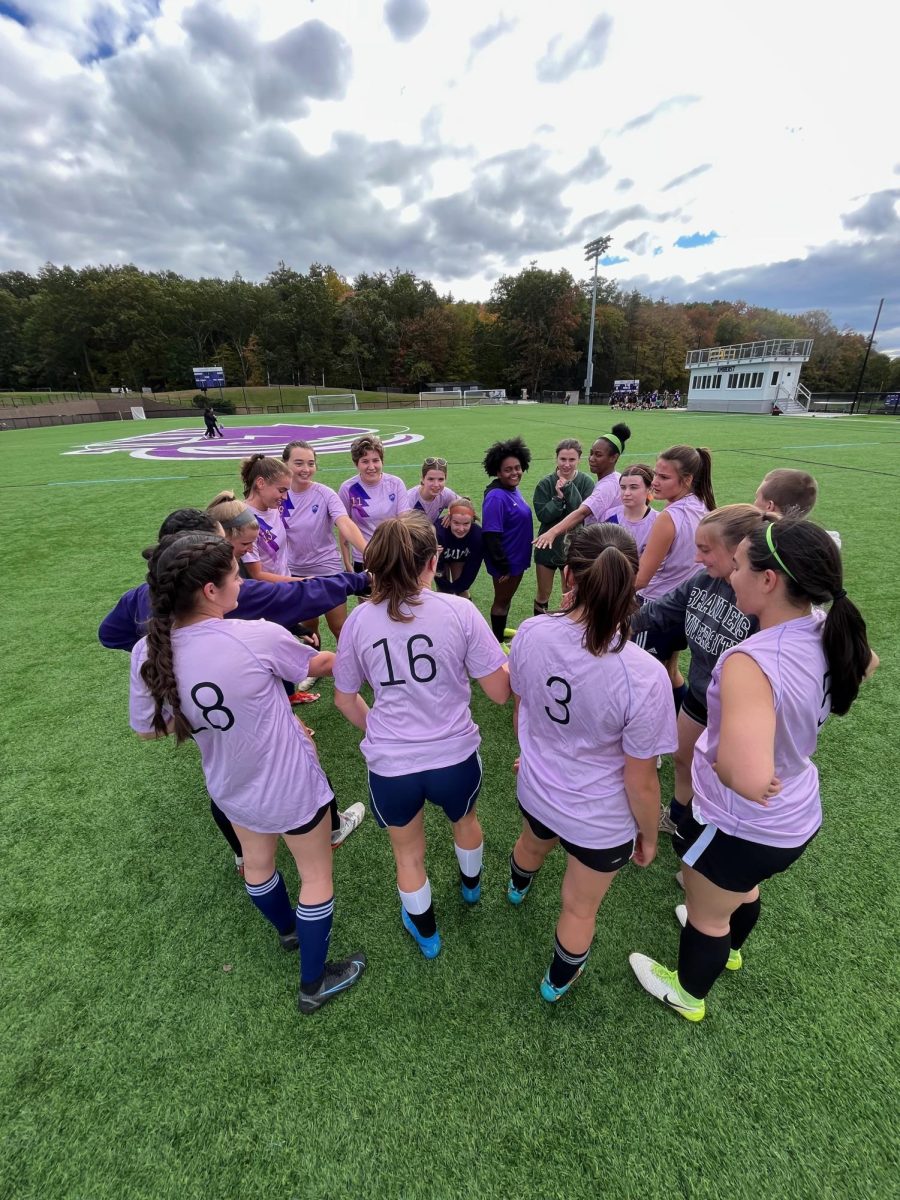
In the second article of a two-part series, the Record spoke with Williams Ultimate Frisbee Organization (WUFO) and the women’s soccer team about the traditions that foster a sense of camaraderie.
In the first part of a series on team traditions, Executive Editor for Opinions Megan Lin spoke with members of the men’s cross country and rugby teams.
This year, as the leaves changed and the College began the rapid, increasingly bleak trudge into midterm season, some students found themselves neither relaxing nor studying over their mini-vacations, but instead running marathons and half-marathons.
For most club sport athletes at the College, the end of the academic year also brings the end of their ability to practice and compete with a team. Yet for some students on Nova and the Williams Ultimate Frisbee Organization (WUFO) — the College’s ultimate frisbee teams — this summer gave them the opportunity to play frisbee at an even higher level on club teams not affiliated with the College.
This week, the computer (using a script in R) chose Katharine Cook ’24, who discussed her love for Christmas carols, biology, and life in New York City.
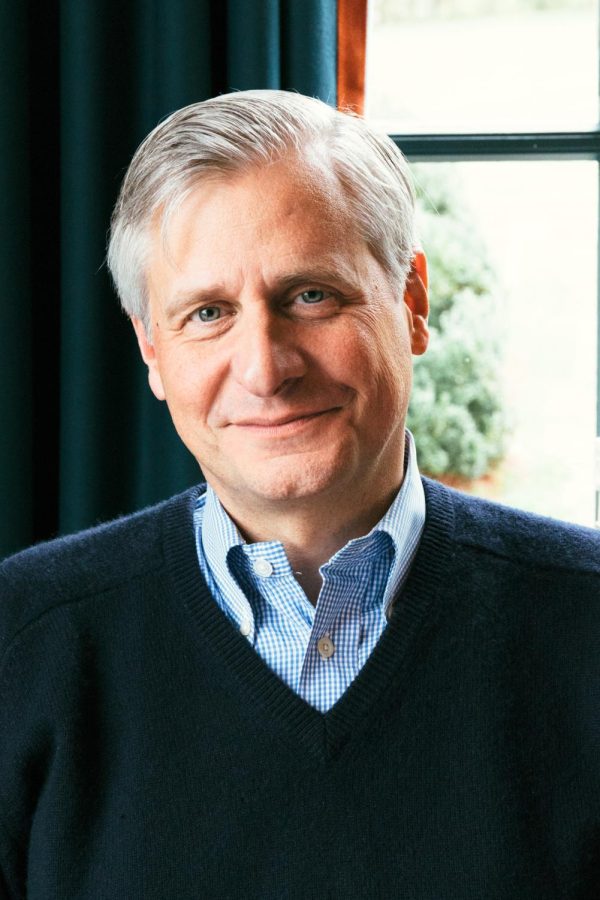
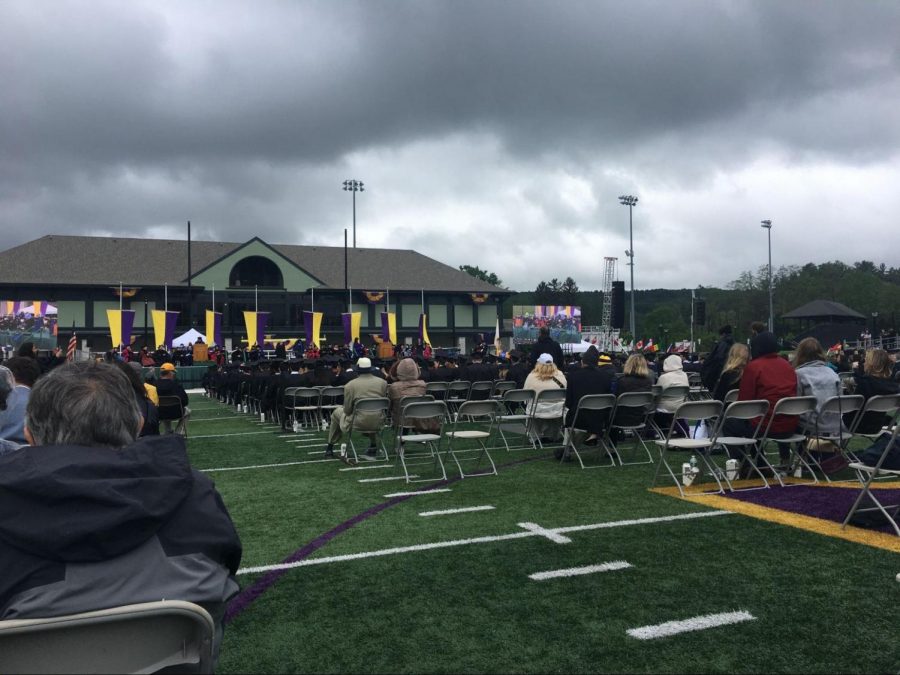
Jon Meacham, a Pulitzer Prize-winning presidential biographer and historian, will deliver the 2022 commencement address, the College announced today. Father Gregory Boyle S.J., the founder and director of Homeboy Industries, the world’s largest program that provides intervention and rehabilitation for former gang members, will serve as the College’s Baccalaureate speaker. Both Meacham and Boyle, as well as actress, choreographer, director, and producer Debbie Allen; Amherst College President Biddy Martin; and National Park Ranger and advocate for women’s and civil rights Betty Reid Soskin; will receive honorary degrees from the College.
As anonymous apps like Yik Yak and Unmasked gain traction at the College, students reflect on their complicated relationships with the useful — but often dangerous — platforms.
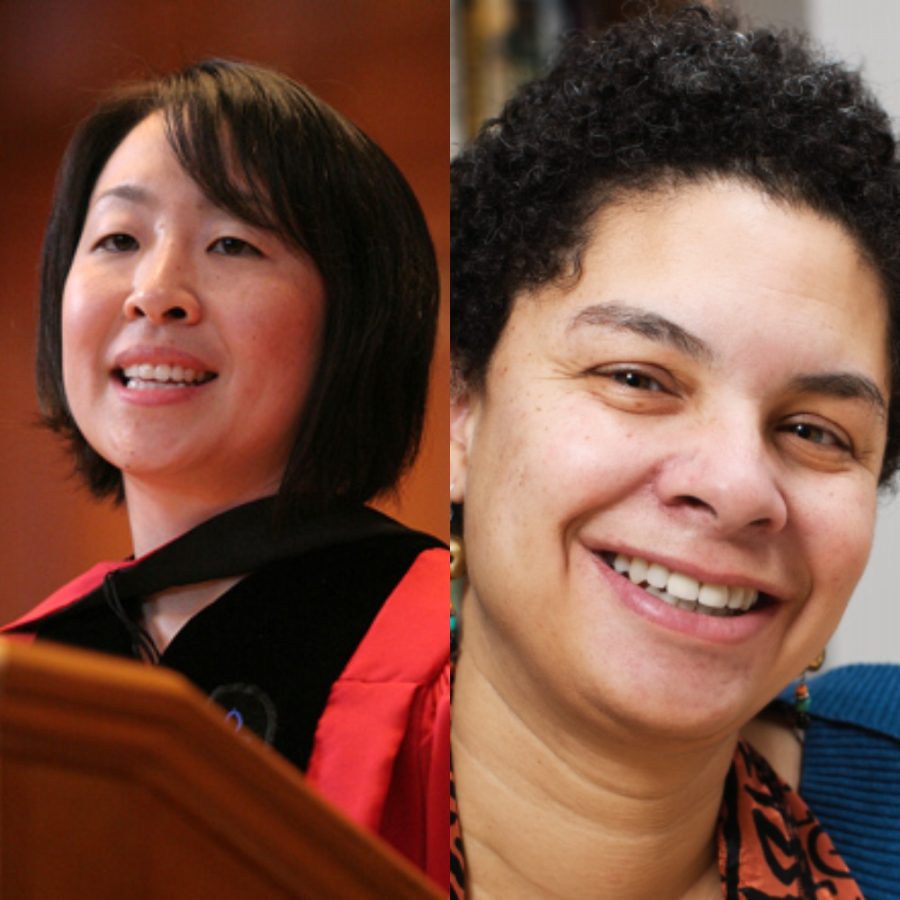
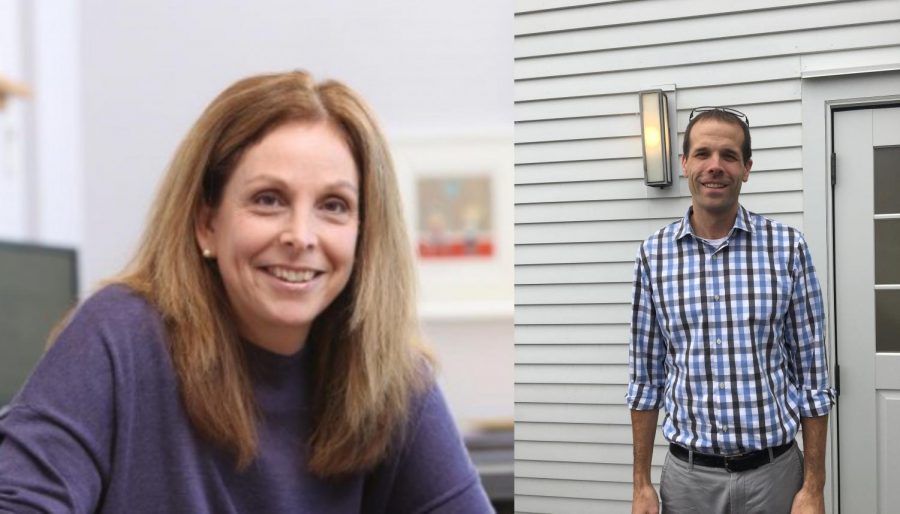
Professors of History Gretchen Long and Eiko Maruko Siniawer ’97 will assume the roles of Dean and Provost of the College, respectively, President Maud S. Mandel announced in an all-campus email on Tuesday.
Winter Study courses will return to in-person instruction on Monday, Jan. 10, Chief Communications Officer Jim Reische announced in an all-campus email this afternoon. Dining halls will be open for take-out only through Jan. 16 — all seating areas inside these areas will be closed, Reische wrote.
Jan. 3, 2022 | 9:46 p.m.
Thirty students tested positive for COVID-19 yesterday, bringing the College’s total number of positive tests in the past seven days to 40, according to the COVID dashboard....
Record editors Kitt Urdang ’23.5, Annie Lu ’23, Bellamy Richardson ’23, Tali Natter ’23, and Cameron Pugh ’23 have been elected by the Record’s 2021 editorial board to lead the newspaper in 2022.
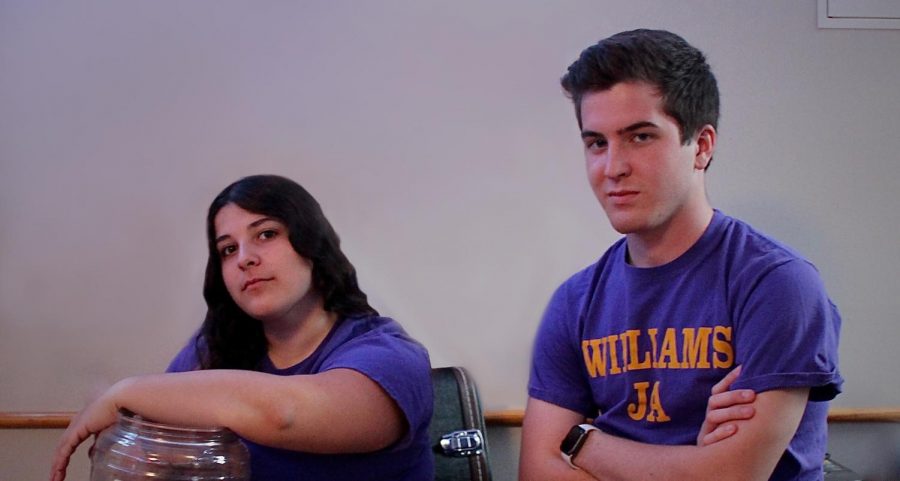
The Junior Advisors (JAs) to the Class of 2025 will now receive compensation in exchange for working with administrators to improve the residential life system. Each JA will receive a $1,600 stipend from the College: $600 for the fall semester and $1,000 for the spring semester.
Dean of the College Marlene Sandstrom and Provost Dukes Love will step down from their roles in administration and rejoin the faculty in June 2022, President Maud S. Mandel announced in an all-campus email on Sept. 22.
The College will loosen its COVID-19 restrictions in accordance with state rules, as well as broaden participation in the Class of 2021’s graduation ceremony, President Maud S. Mandel announced in an email to the College community on Tuesday.
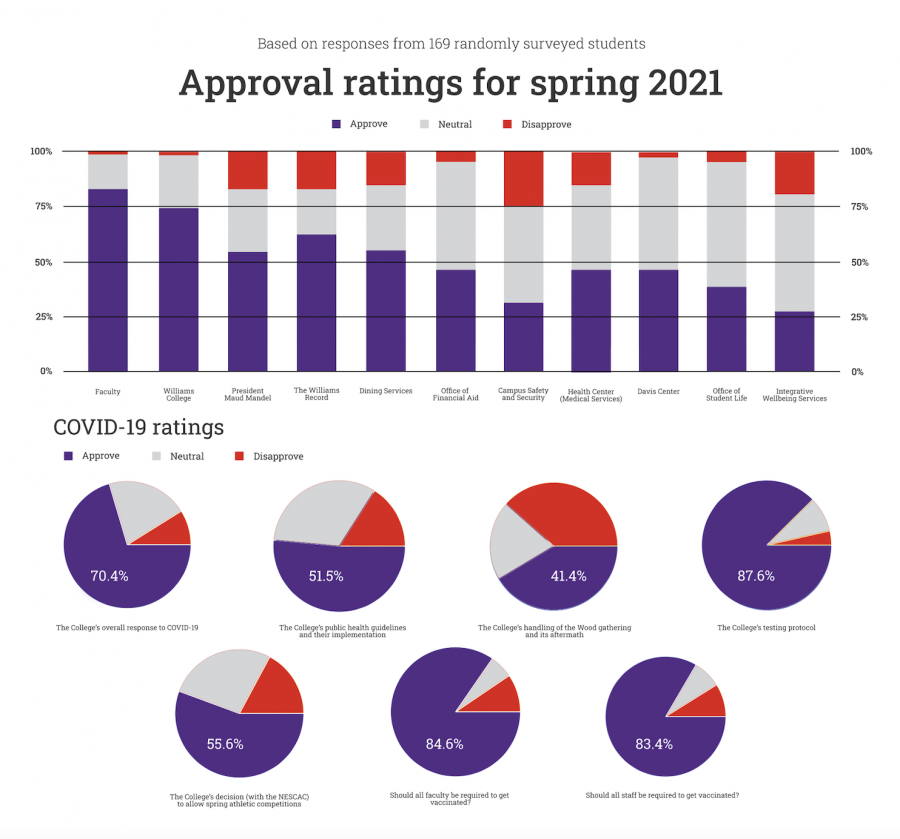
The Record sent out its biannual approval ratings survey this past week to 500 randomly selected students, who were given the option to indicate whether they approve of, disapprove of, or feel neutral about various campus figures, institutions, and policies.
In recent months, several colleges and universities — including Bates, Dartmouth, and Duke — have been placed on lockdown in response to rising cases on campus. In all three of these cases, administrators cited illicit gatherings as a main source of infections.
All classes at the Massachusetts College of Liberal Arts (MCLA) have transitioned to remote format as of April 5 and residence halls closed on April 11. President James Birge announced the move to remote learning in an email to the MCLA community on April 1, after 28 on-campus students at MCLA tested positive for COVID-19.
President Mandel announced in a March 22 email that the College will now allow two in-person guests per graduating senior at the 2021 commencement ceremony. This year, “Senior Days” will take place over only a day and a half immediately following final exams — a decision by the administration that prompted push back from many seniors.
The College shifted to Phase 2 of campus reopening on Monday, March 15. The lifting of restrictions comes two weeks later than anticipated, after President Maud S. Mandel announced that, in response to the Wood House party, Phase 2 would begin on March 15 rather than the initially expected March 1.
One hundred twenty-seven students have been removed from campus as part of the College’s response to the Feb. 26 party at Wood. For the purposes of deciding whom to remove from campus, the College has defined involvement in the Wood party as any unauthorized presence in the building during the night of the party.
The Record interviewed four students who were at Wood that night. They said that large indoor parties were common throughout the fall.
Following the illicit gathering of an estimated 80 to 100 students at Wood House on Friday, Campus Safety and Security has begun to identify students who were involved. A number of students have come forward to the administration to admit that they attended the party, according to Dean of the College Marlene Sandstrom. Some Wood residents said that Friday’s party was one instance in an ongoing pattern of illicit gatherings at Wood House, to which they believed the College’s response has been inadequate.
The College will put in place two major initiatives for residential life starting fall 2021: hiring live-in residential staff and providing affinity and special-interest housing.
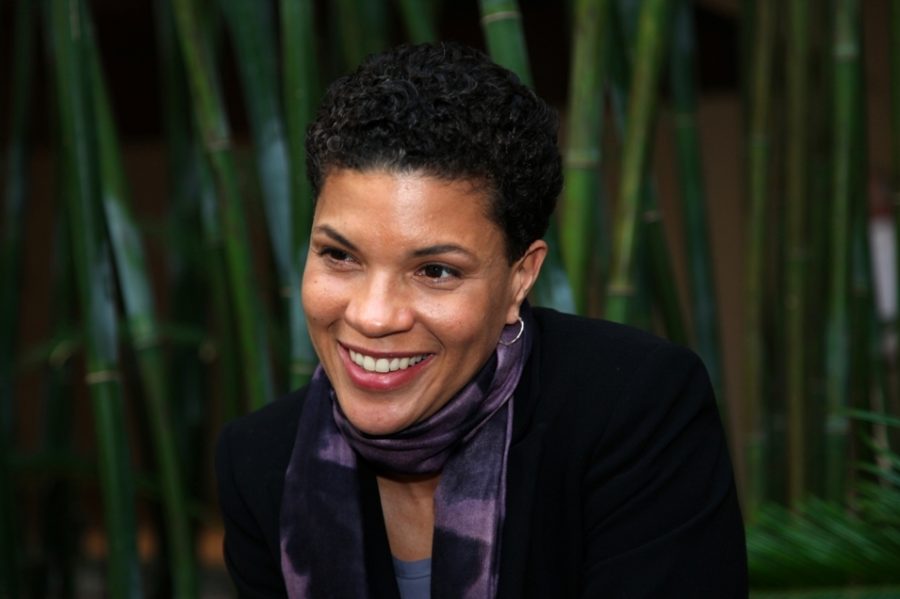
Michelle Alexander, civil rights lawyer and author of the New York Times bestseller The New Jim Crow: Mass Incarceration in the Age of Colorblindness, presented the evening keynote address for Claiming Williams Day on Thursday to an audience of 605 viewers.
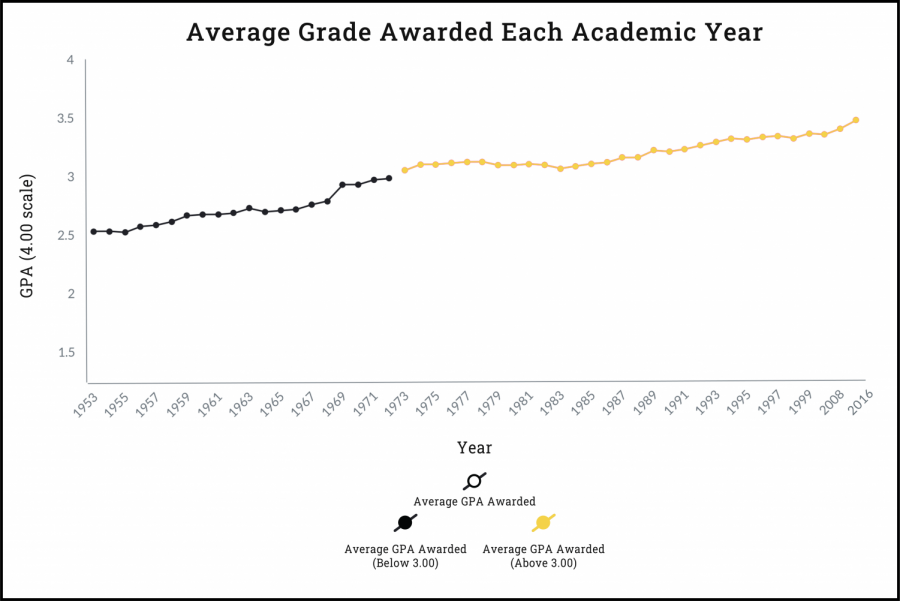
Though hybrid learning in the fall brought along academic challenges like no other semester, it was also accompanied by students at the College seemingly earning higher grades on average, some professors say.
The spring semester will start as previously scheduled, with students returning to campus beginning Feb. 10, President of the College Maud S. Mandel and Dean of the College Marlene Sandstrom announced today in an email to students, staff, and faculty. Additionally, the College plans to hold an in-person commencement for seniors, albeit with no off-campus guests.
In response to the Learning Beyond the Classroom strategic planning working group’s recommendations for improving student life on campus, the College recently formed a Residential Life Working Group. The group is deliberating solutions for problems related to housing and student life, including plans for live-in staff, affinity housing, senior housing and housing for non-traditional students.
On Nov. 12, The Advisory Board for Lobbying and Elections (TABLE) hosted an open virtual forum for each committee, consisting of students and faculty making decisions for their particular area, to update students on their activity this past semester and their plans for next semester. Here is a quick summary of what each committee has done.
In 2015, the President and Board of Trustees determined the following five goals to reduce the College’s impact on climate change by 2020: Significantly reducing the net greenhouse gas emissions, achieving carbon neutrality, reducing consumption of fossil fuels, investing in projects to benefit the environment and making investments in the College’s educational mission.
With the uncertainty surrounding one of the College’s most unconventional semesters in memory, the Three Pillars, the College’s three branches of student government, have not only been adjusting to the confusion of COVID-19 and campus restrictions, but also to their new format. Student government has a tumultuous recent history, including the abolition of the College Council (CC) last spring and the subsequent implementation of the Three Pillars, which includes Facilitators for Allocating Student Taxes (FAST), Williams Student Union (WSU) and The Advisory Board for Lobbying and Elections (TABLE).