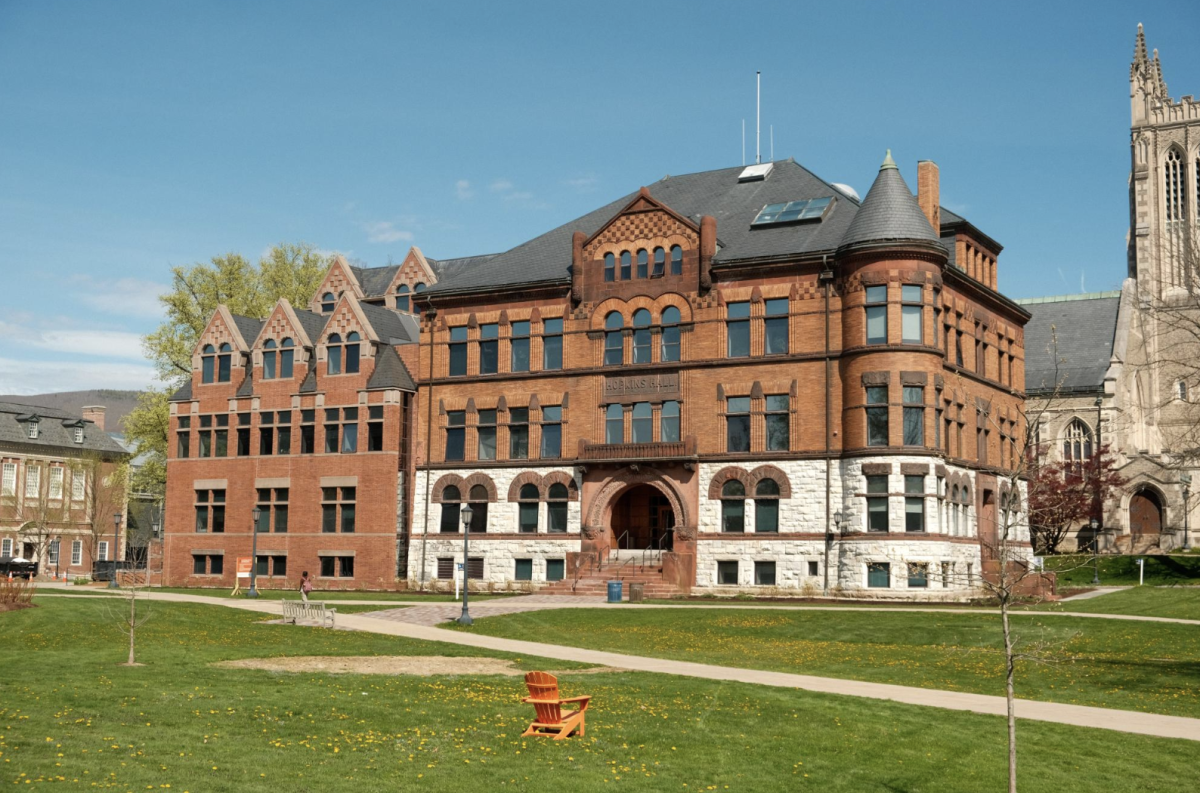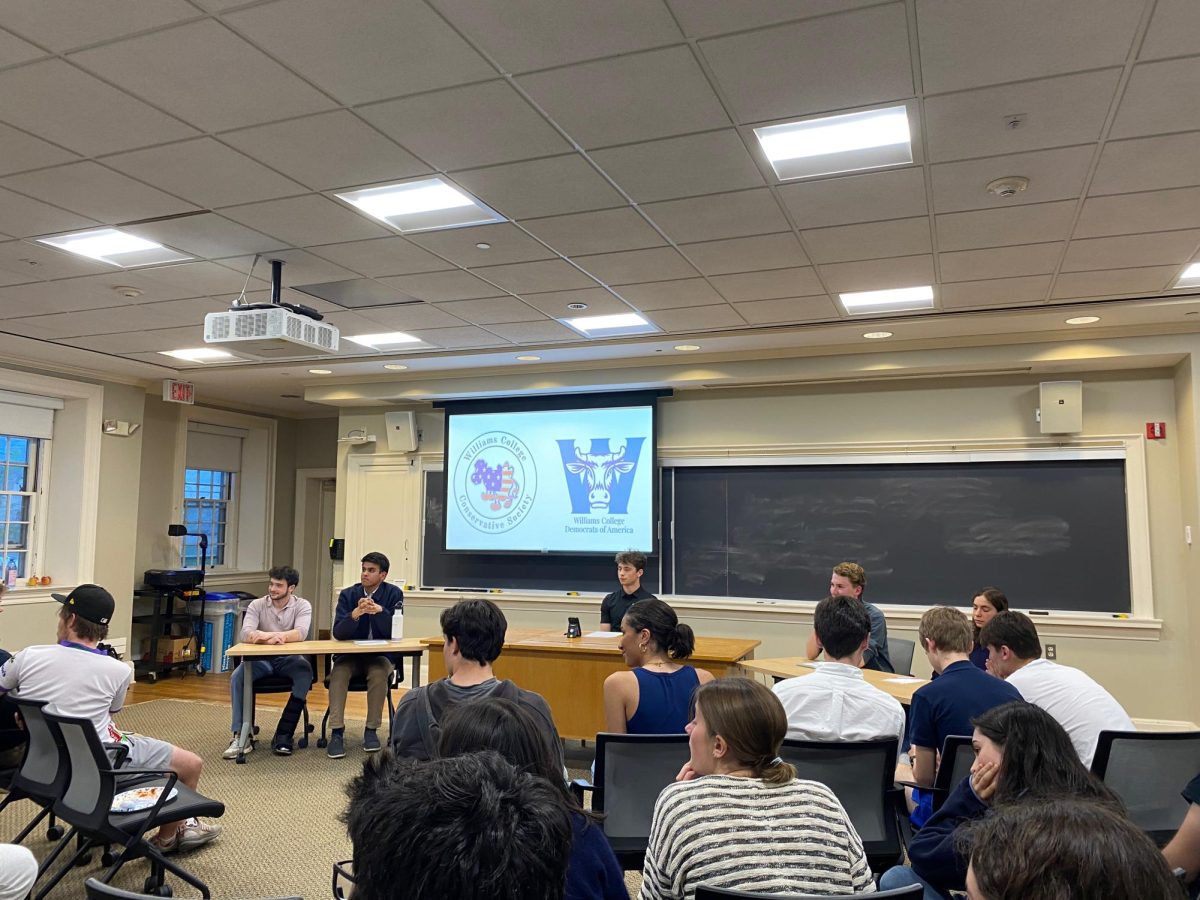
Students remaining on campus for winter break will no longer be required to temporarily move into new rooms, while students leaving will no longer be required to prepare their rooms to house remaining students, according to an April 10 email from Director of Housing Heather McCarthy. The previous policy consolidated students into designated buildings to reduce energy costs.
Moving forward, though students staying on campus will not be required to move to a new room during winter break, they will be given the option to move to reduce energy emissions and to gain extra housing points. If they choose this option, however, they will move into a previously unoccupied room.
Associate Vice President for Student Affairs Jeff Malanson discussed this new policy in an interview with the Record. “We see this as a kind of a double win,” he said. “It’s better for the students who are staying. They get to stay in their own space, they get to stay in a place they’re comfortable, they don’t need to pack up their lives for a few weeks. And then it is certainly much better for the students who no longer have to worry about someone else using their room.”
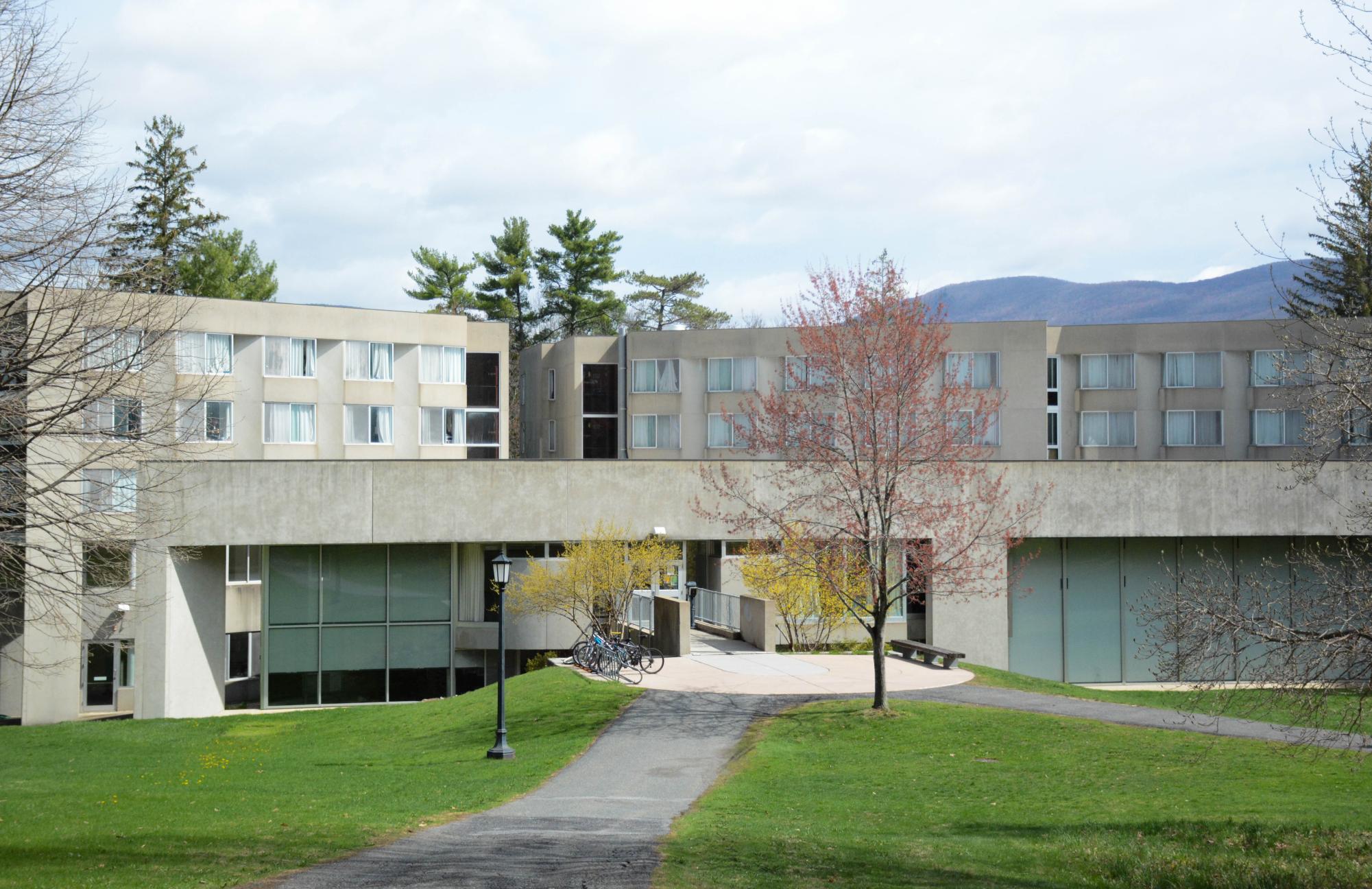
Before this policy was instated, students whose rooms in Mission Park, Tyler House, and Tyler Annex had been designated for other students to live in during winter break had to remove their bedding and clean their room for the temporary inhabitants, leading to pushback from students. Students whose rooms were inhabited by one of their peers over winter break were awarded 20 extra housing points, but fined $500 and 150 housing points if their rooms were not prepared.
This policy was in place for both financial and sustainability purposes, McCarthy explained in an email to the Record. “The temporary movement of student assignments was an effort to maximize the sustainability and cost savings for the college,” she wrote.
Malanson explained that the College has usually closed 34 of its 37 residences during winter break, moving students into Mission Park and two other dormitories, typically Tyler House and Tyler Annex.
Malanson also clarified that winter break housing is typically used by winter sports teams, international students, and students with increased financial needs. Under the previous system, these students were locked out of their normal rooms throughout winter break, and given a temporary key or code to access their housing reassignment.
Despite its environmental and financial benefits, the existing system posed problems for students remaining on campus and students whose rooms were being occupied during the breaks.
Noa Diop ’29, a member of the women’s ice hockey team, had to return to campus to compete during Winter Break. Instead of returning to her normal room, she was told to move into Mission. Her temporary housing arrangement, however, posed an issue: Diop flew home to Chicago for the first part of winter break, and she did not have luggage large enough to bring bedding and everything she would need during her temporary housing reassignment. Additionally, she did not know where to store her belongings on campus while she was home. She was forced to find a creative alternative. “I just stored all my stuff at the rink,” Diop said.
Because students staying on campus during winter break could not access their normal rooms, many of them called Campus Safety Services (CSS) to retrieve belongings they had forgotten to bring with them to their temporary dorm. “This past winter break, CSS had nearly 200 calls for students to get back into their original rooms because some students who are only here for a portion of break didn’t have the capacity or weren’t aware they were supposed to bring home all their beddings to be able to use it in a new room,” Malanson said.
This past winter, students — particularly those whose rooms were occupied over break — were especially vocal against the policy. Discussing this uptick in pushback, Malanson speculated its cause. “I think some of the pushback this year was potentially from the fact that historically, Mission Park had been a first-year building, and so first-year students don’t always feel like they have as strong a footing to complain about things,” he said.
This year, students and parents emailed, called, and walked into campus offices to express their concerns with winter break housing consolidation. While some expressed that the policy was unfair, others were concerned about interfering with their specific accommodations.
Students who had to prepare their rooms for winter break inhabitants faced the challenge of removing their belongings during finals season. Upon receiving an email reminder to clean her room, remove her bedding, and pack any other personal belongings she wanted to keep private come winter break, Brooke Elien ’28 attempted to protest this policy. “I immediately reached out to Housing to explain how, based off of my schedule, [I] would have a really difficult finals season for my first semester, and I didn’t think it would be possible for me to move out,” she said. “Plus, I wouldn’t have the support of my family to help me bring things home.”
Despite her request, Elien was still required to clear her room for a temporary resident before break began. “They put me in such a difficult position where I’m losing housing points or I’m being fined,” she said.
McCarthy said that student feedback was a major motivation behind the change in policy that she and Malanson proposed. “It was a lot to ask students to prepare to share their room, and for the students staying on campus to live in someone else’s space for up to two weeks,” she wrote. “We heard that — and we wanted to do better.”
Despite the winter break housing consolidation’s positive impact on energy consumption, Executive Director of the Zilkha Center for the Environment Tanja Srebotnjak expressed her support for the new policy. “While it does yield moderate energy and financial savings, it is an overall challenging initiative that creates stress and strain for multiple college offices and can create negative experiences for students,” she wrote to the Record. “After giving careful and holistic consideration to all of these factors … it was determined that substantial changes should be made, which I, in my role as Exec. Dir. of the Zilkha Center, support.”
Administrators are optimistic about the policy change and believe it reflects cooperation with students. “This shift is something I hope students are excited about – it’s a clear sign that their voices are being heard and acknowledged,” McCarthy wrote.