
The verdict is in: Sweating elbow-to-elbow with your neighbors is becoming the new thing to do at the College — and it’s not just because of toxin release or better sleep scores.
According to Sand Springs Pool & Recreation Center Executive Director Henry Smith, when students and Town residents visit the sauna to relax and recuperate, they also find a valuable sense of community. “The sauna has become something close to a town hall, where the locals just come to exist with each other,” he said.
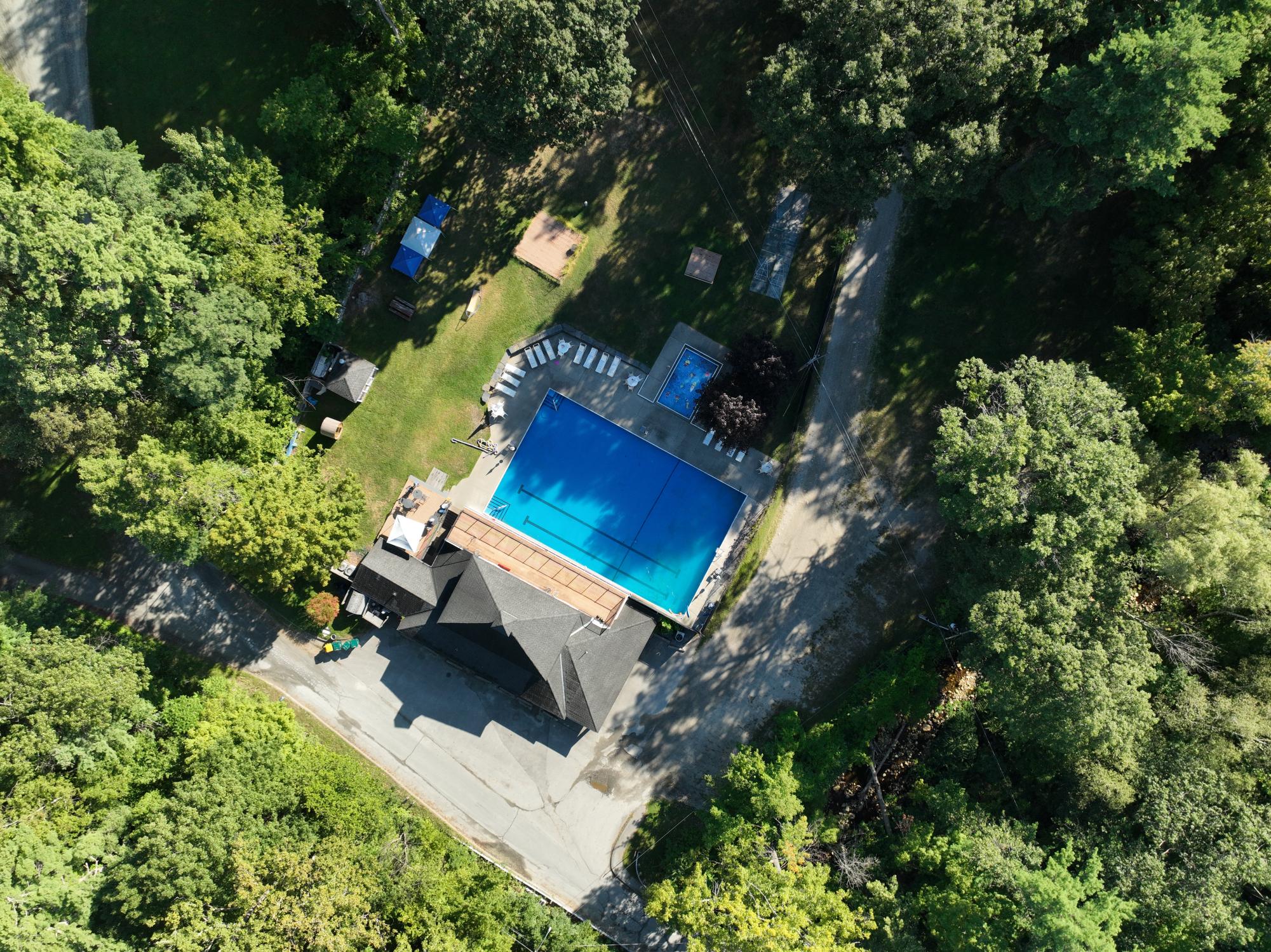
Sand Springs, which is located less than two miles north of campus, is the former site of one of North America’s oldest spas, according to its website. Since the mid-19th century, Sand Springs has been renowned for its outdoor pool, which is fed by water from a Mohican spring. The sauna, as it currently stands, was built in the early 2000s. After Sand Springs was managed by a series of private owners, Town residents organized to purchase the facility in 2008, transforming the spa into a nonprofit organization: the Sand Springs Pool and Recreation Center.
Smith grew up in the Town and spent his summers working as a lifeguard for the outdoor pool. At the time, Smith said that pool membership was fairly expensive. However, Smith’s parents, recognizing the fun to be had, would commit to “a Sand Springs summer,” he said.
After running his own bathhouse in Maine, Smith moved back to Williamstown in 2013 and accepted the position of Executive Director at Sand Springs. That winter, just after the pool had closed for the season, Smith made his first big change as director: deciding to run the sauna through the winter for the first time. At the time, he wasn’t sure if people would be willing to visit the sauna in the winter. “It was a leap of faith,” he said. Quickly, the sauna became a popular wintertime destination.
Smith made it his mission to rebrand the sauna from a luxury spa into a communal space where people could regularly gather. With an increasing number of students at the College wanting in on the experience, Smith said he occasionally faces complaints from community members that the sauna is becoming too social. “They think I am too ‘laissez-faire’ and some have asked me to make it silent, but I think learning to coexist in the sauna, which is a little social ecosystem, is amazing practice for a small town,” Smith said.
Though not appreciated by all, the sauna’s chatty atmosphere appeals to students. Track athlete Livi Mazerolle ’26 — who recently purchased a season pass to the sauna — said that she mainly goes for muscle recovery, but has enjoyed getting to know people in the process. “I’ve made plenty of friends at the sauna, and one time I even networked in there,” she said.
After hearing about the sauna from her friends, Brianna Dechet ’26.5 decided to see what all the buzz was about. During her first visit, she was pleasantly surprised by the social atmosphere. “It’s too hot for people to bring their phones in there, and the small size encourages interaction,” she said. “Forced engagement can be good sometimes.”
Dechet appreciates how the sauna is somewhat removed from the purple bubble, allowing professors and students to take a temporary step away from their roles at the College.
Smith said that for young people moving to Town, going to the sauna has been a great way to find like-minded peers who are invested in wellness and are open to new experiences. Smith calls this “the sauna’s self-selecting element,” and said he appreciates the free-spirit types it tends to attract.
When it comes to finding the best sauna routine, opinions vary. Regulars have their own rituals: Simon Volkema ’26 has been a consistent visitor for two years and swears by three sets of 15 minutes in the sauna, each followed by a five-second full-body cold plunge in the outdoor pool.
This sauna-to-cold-plunge rotation is popular among visitors, but Smith said he would like to see patrons relax more. “The whole point is to lose track of time, and to listen to your body,” he said. “The sauna shouldn’t be about achievement or optimization.”
As the space has become more popular, Sand Springs remains committed to financial accessibility. According to Smith, in 2025, the non-profit gave $22,500 in assistance to families who could not otherwise afford pool passes.
However, Smith added that the nonprofit has been struggling to keep up with expenses. Board members have had to volunteer as lifeguards, and the Sand Springs management has faced increasing infrastructure-maintenance expenses. According to Smith, collapsing floors and bursting pipes have been recurring issues. “It is changes as simple as adding drains in some of the floors that could make a real difference,” he said.
This February, Sand Springs launched the Sand Springs Community Health & Wellness Campaign with the aim to raise $125,000 for its sustenance. The Sand Springs management is hoping to get money from the Town and the College to keep its affordable prices.
Smith is in his final year as executive director, but his vision for the future of Sand Springs includes turning the poolhouse into a second outdoor sauna, which would help accommodate the increasing number of visitors.
In a small community, students see places like Sand Springs, where they can connect and unwind, as essential. “We need more shared spaces like this,” Dechet said.