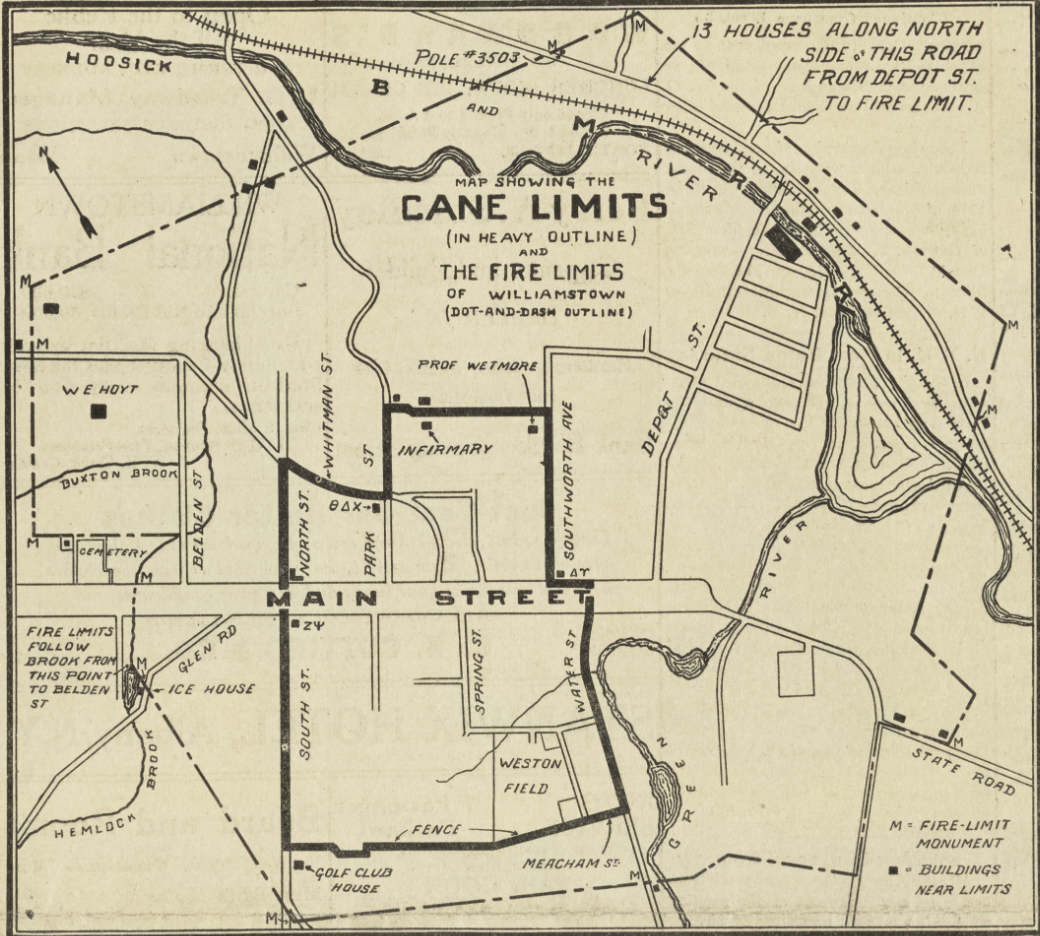
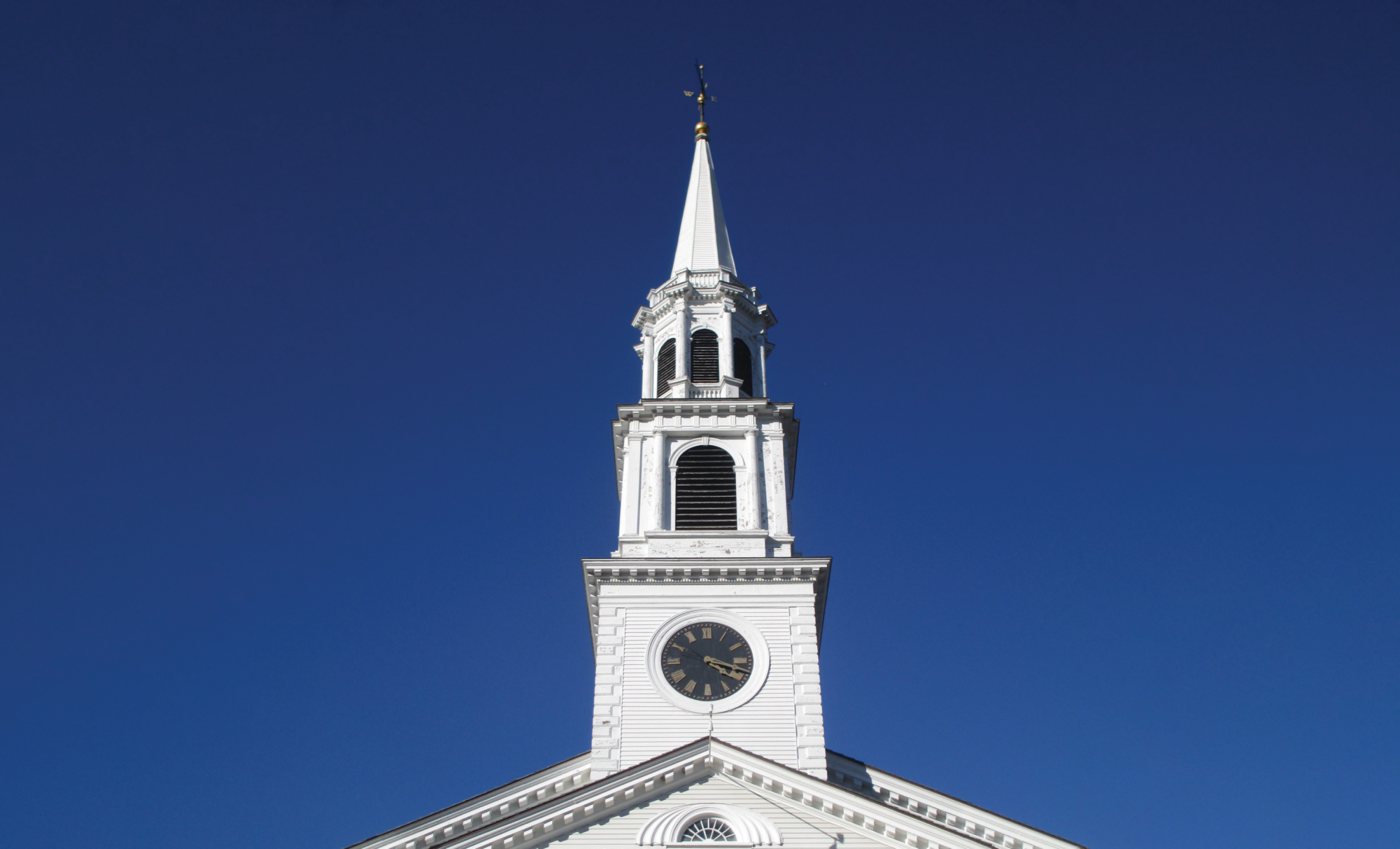
At the center of campus sits the First Congregational Church (FCC), a stately building that has long been a symbol of the College and the Town. Depictions of the early Town show the church’s white façade alongside the College’s first buildings, like West College, even though the FCC has only occupied its current building since 1914. These images are anachronistic, but they underscore the church’s central role as a religious institution and a cultural hub. The Record spoke to members of the FCC to investigate its history and relationship to the College.
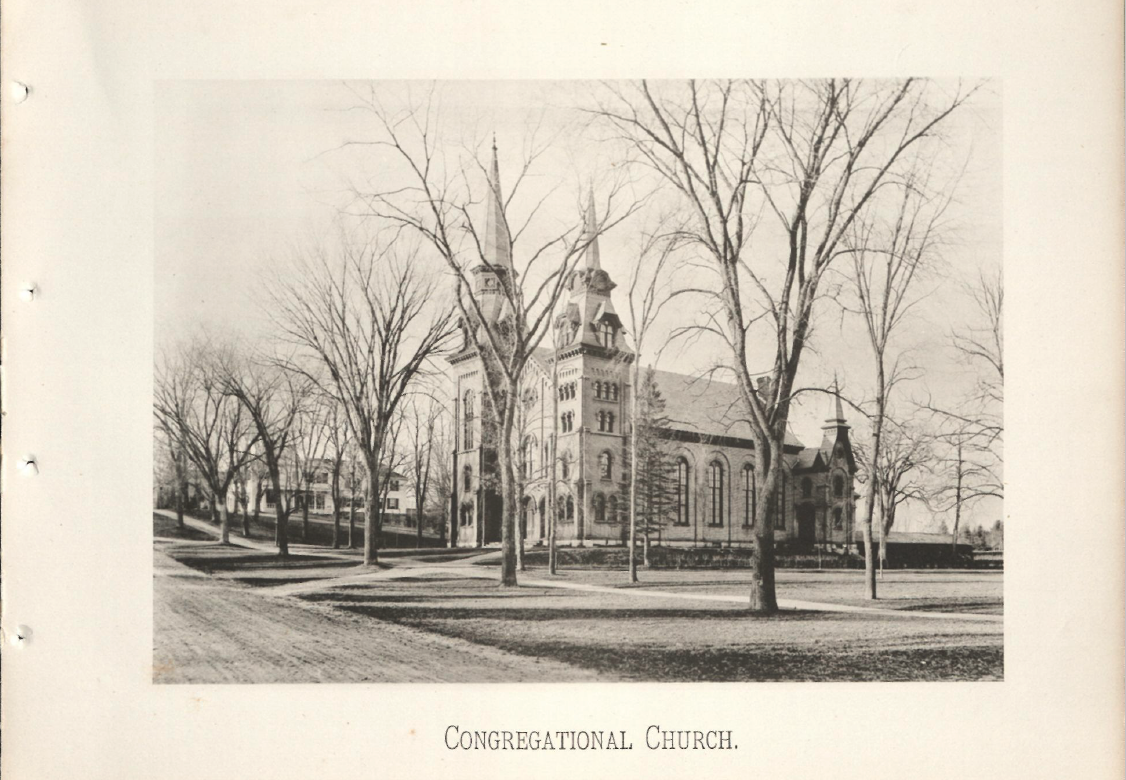
David Langston, professor of English emeritus at Massachusetts College of Liberal Arts, has served as a deacon for the church for nine years. He explained to the Record that the FCC was established in 1765 so Williamstown, then called West Hoosick, could be incorporated into the Massachusetts Bay Colony. The laws at the time stipulated that each town needed its own church to be a part of the colony. Until 1866, the FCC met in a log cabin in Field Park, and later a meetinghouse, until a fire destroyed the building.
After the fire, the congregation relocated to its current site on Main Street, which originally housed a stone chapel built in the Neo-Romanesque style. The FCC was renovated to take on its current pearl-white, New England-Georgian appearance in 1914. The renovation came at the behest of Robert Cluett, a wealthy businessman who wanted his daughter to be married in a Georgian church. The new church was built with a $7,000 dollar gift from the College and money from local fundraising.
Langston said that the church’s engagement with social issues inspired him to join the congregation. “One day, I was walking my dog by the church, and what did I see but a big sign that says ‘Black Lives Matter,’” Langston said. “So I started coming to the church.” He said that while the church has always been active in the community, it has become increasingly involved and sensitive to local obligations.
Despite this, the congregation has become much smaller, and its members are on average much older than they were before the COVID-19 pandemic. “We took a picture of the congregation in 2018 and there were about 100 to 150 people — a third of them were under 50,” said Langston. “The other day we took a picture of the congregation for the new website that’s going up. There were fewer than 50 people in the picture, and there was nobody in the picture under 50.”
The church is looking to adapt by appealing to the spiritual needs of the young people at the College. Langston believes there is demand for religious services within the College community. Consultation in a faith community “would be an advantage to many students,” Langston said. “We have 2,000 neighbors. They are smart, they are well put together, but like every human being, they’ve got problems.” The FCC, according to Langston, has the potential to help students address these problems.
“Students need help answering three questions: ‘What has God called you to do vocationally? Who should you marry? How are you going to cope with the fact that you are mortal?’” Langston said.
Langston pointed out, however, that the responsibility to reach students falls on church staff. “The first thing to do … is ask the students what they think is important,” he said.
“I’ve argued for many years that Sunday morning service is archaic,” Langston continued, and he believes the FCC would benefit from more conveniently timed services and new liturgy.
Reverend Quentin Chin, the pastor of the FCC, is pushing new ways to increase dialogue between students and local faith communities. “This congregation can learn a lot from a younger generation who sees the world in a different way, and our struggle right now is to … enable people to bring their voice into here on a regular basis,” he told the Record.
The FCC is as old as the Town and older than the College. It is among the most recognizable buildings on campus, and yet very few students have actually spent time inside. The current church administration seeks to steer away from decline by appealing to students. This course of action, Langston and Chin believe, is not only important to the health of the church, but crucial to the well-being of students as well.